When you buy a gram of digital gold, three things happen within a few seconds. A refiner sells you a gram at the live bullion rate. That gram is allocated to you in a vault, recorded against your name in the vaulting agent's register, not merely owed to you by the platform. And a receipt is written that says how much metal, at what purity, bought at what price, on whose behalf.
The crucial word is allocated. Unallocated gold means a company owes you a gram; if that company fails, you join the queue of its creditors. Allocated gold means a specific quantity of metal is held in trust for you; if the platform fails, the metal is still yours, because it was never the platform's to lose.
What you actually own on Ticgetz
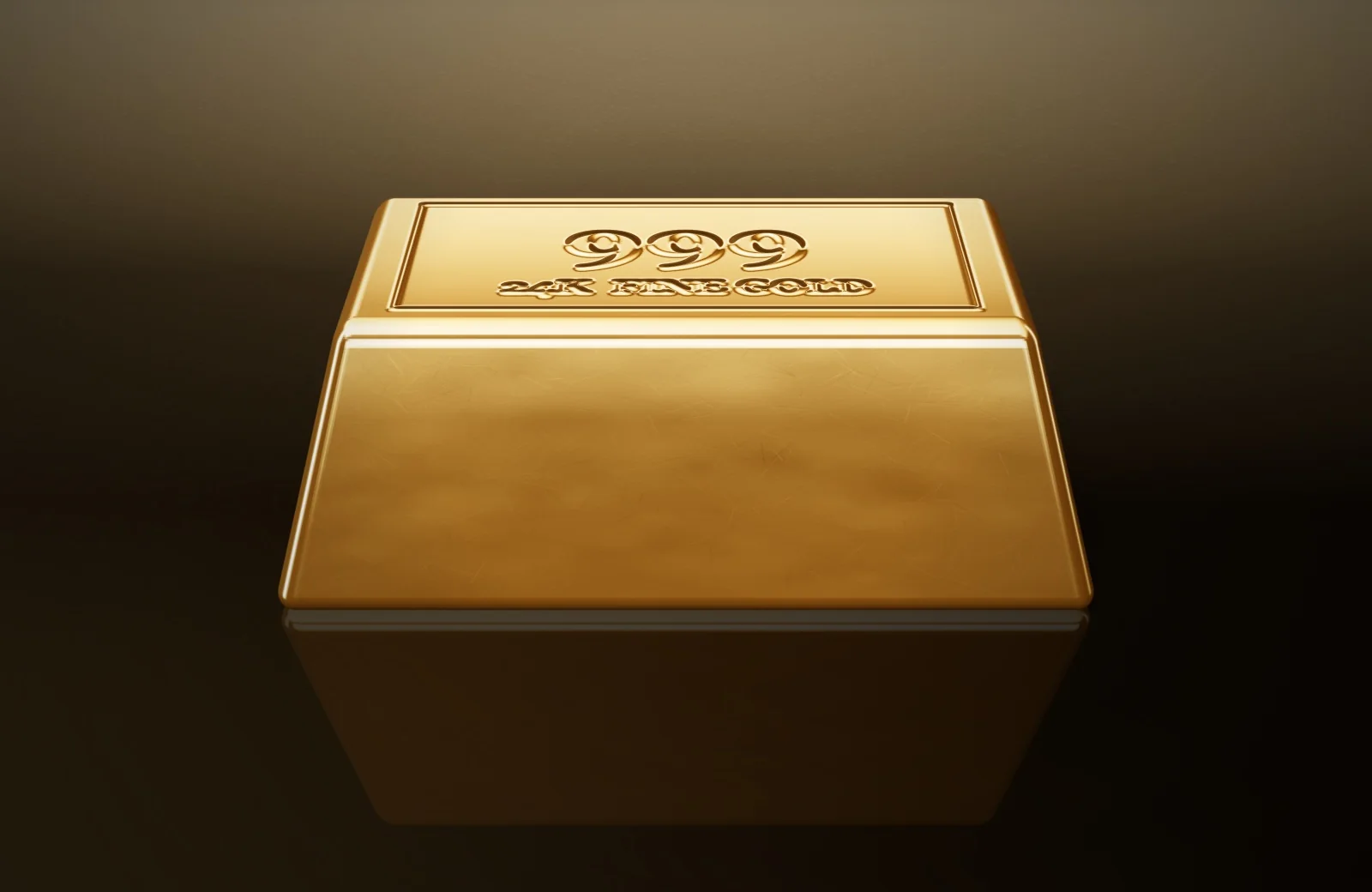
Ticgetz Gold is powered by Augmont, one of India's larger refiners and bullion houses. Metal is 24K at 999 fineness, meaning 99.9% pure, which is the grade Augmont publishes for its digital gold. It is stored in insured, audited vaults operated by Sequel. Your holding sits in your name, outside Ticgetz's own balance sheet. That last part is not a courtesy; it is the entire structure.
 RefinerSells you the metal
 PlatformKeeps your ledger
 Vaulting agentHolds the gold
How it differs from everything it gets confused with
| Digital gold | Gold ETF / fund | Sovereign Gold Bond | Jewellery | |
|---|---|---|---|---|
| What you own | Allocated metal | Units of a scheme | A government bond priced in gold | Metal plus craftsmanship |
| Minimum | ₹10 | One unit, about ₹120 for many ETFs in late 2026 | No new issues; existing bonds trade on exchanges | ₹10,000+ in practice |
| Can you take delivery? | Yes, as coins or bars | Rarely, in large lots | No | You already have |
| Demat account needed | No | Yes | To trade on an exchange | No |
| Purity | 24K, 999 | Backed by 995 or finer bars | Priced off 999 | 18–22K typical |
| Making charges | None | None | None | 10–25% of value |
Digital gold is the only one of the four that lets you start at ₹10, add to it whenever you like, and then walk away with a coin in your hand. That is its whole reason to exist: it is the savings-jar version of an asset that was historically sold in ₹50,000 lumps.
What it costs you
- GST at 3%, charged on purchase, exactly as it is on any physical gold you buy from a jeweller. It is shown separately at checkout, never hidden in the rate.
- The buy–sell spread. The rate you can sell at is a little below the rate you can buy at. That gap is the market's, not a platform fee, and it is why gold is a holding rather than a day trade.
- Delivery charges, only if you convert grams into a physical coin. Nothing is charged while the metal stays in the vault.
How much does digital gold cost you on day one?
Add GST and the spread together and you can see why this is not a place for money you need back soon. In this illustration you pay ₹10,000 at a time when the sell rate is 2% below the buy rate:
| Step | Amount |
|---|---|
| You pay | ₹10,000 |
| GST at 3%, included in that | ₹291 |
| Metal you receive, valued at the buy rate | ₹9,709 |
| What that metal fetches at a sell rate 2% lower | ₹9,515 |
The three ways out
- Step 1
Sell it back
Sell at the live rate, paid to your own bank account. No lock-in and no exit load. See how that rate is set, and what tax applies on any gain.
- Step 2
Redeem it as metal
Convert grams into a certified coin or bar and have it delivered. You pay delivery charges; the gold was already yours.
- Step 3
Leave it alone
The most common answer. It is a holding, it costs nothing to keep, and it moves with the bullion price.
One honest note to finish on: digital gold is not regulated by the RBI or SEBI the way a bank deposit or a mutual fund is. In its November 2025 caution, SEBI said such products operate outside its purview and that its investor protection mechanisms do not apply to them. What you rely on instead is the structure: allocated metal, an independent vaulting agent, audits and insurance. That is a real difference, and it is why we wrote how to check a gold platform so you can test it.
Questions people ask
Is digital gold actually backed by physical gold?
On Ticgetz, yes. Every gram you buy is bought as physical 24K 999 metal through Augmont and allocated to you in an insured Sequel Logistics vault. You can ask for it as a coin at any time, which is the only test that really matters.
What happens to my gold if the platform shuts down?
The metal is held by the vaulting agent in your name, not on the platform's books, so it is not available to the platform's creditors. You would deal with the vaulting agent to sell or take delivery.
Is digital gold regulated in India?
Not by the RBI or SEBI, and there is currently no dedicated regulator for it. SEBI has said its investor protection mechanisms do not apply. What you rely on is the custody structure, audits and insurance. SEBI-regulated alternatives include gold ETFs and Electronic Gold Receipts, which need a demat or broking account.
What is the minimum I can buy?
₹10 on Ticgetz. You can buy by rupee amount or by weight in grams; fractional grams are normal and are recorded to four decimal places.
Is digital gold a good way to save small amounts?
It suits small, regular purchases because you can start at ₹10 and need no demat account. The cost is 3% GST on purchase and the buy–sell spread, so it works better as a long holding than as a short trade.
Sources
- Caution to public regarding dealing in 'Digital Gold' (PR No. 70/2025) · Securities and Exchange Board of India
- Digital gold and coin products · Augmont
- Vaulting and secure logistics · Sequel Global
- Sovereign Gold Bonds · Reserve Bank of India
- Gold Demand Trends · World Gold Council
From the Ticgetz Gold team, drafted with AI assistance and checked against the sources above on 3 November 2026. Ticgetz sells digital gold, so weigh what we say accordingly. This is general information about how digital gold works in India, not investment or tax advice, and rules change. Rates quoted anywhere on this site are live market rates and are not a forecast.